Skip to content

Best Gaming Mice For PC

mm Alex Rivera 8 min read

Gaming Mice in 2026: Control Wins

Reviewed by Alex Rivera Updated

Quick Picks: Top Mice

  • Best Overall Razer Viper V3 Pro Symmetrical esports shell, 54 g ultralight, 8000 Hz polling, locked-in control for competitive FPS.
  • Best Minimalist Logitech G PRO X Superlight 2 Clean 60 g wireless, HERO 2 sensor, up to 95 hours battery, universal friendly shape.
  • Best Ergonomic Razer DeathAdder V3 Pro Right-handed curve for long sessions, 63 g, Focus Pro sensor, 90-hour battery.
  • Best Budget Logitech G305 LIGHTSPEED Reliable wireless on AA power, HERO sensor, 250-hour battery, entry-point pricing.
TL;DR

Key Takeaways

  1. High-end sensor capability is universal in 2026; weight balance, click feel, wireless stability, and shape repeatability now separate leaders from contenders.

  2. Competitive FPS players live in the 50–60 g ultralight world; ergonomic fans want right-handed curves; MMO and creator types need programmable button layers.

  3. 8000 Hz polling is a nice-to-have that hammers battery; 1000 Hz remains the sane daily default for most players.

  4. A mouse can't fix bad sensitivity choices, a worn mousepad, or a monitor that smears motion—consistency beats constant swapping.

  5. The Razer Viper V3 Pro earns top slot on performance; Logitech G PRO X Superlight 2 is the safest minimalist runner-up.

The 2026 Gaming Mouse Landscape

Buying gaming mice for PC in July 2026 isn't about chasing a bigger DPI number—it's about picking a shape you can control at speed, with a sensor that never glitches, and a wireless link you stop thinking about. The right mouse is the one that disappears in your hand while your crosshair does exactly what your brain asked for.

The market has split into clear lanes. Competitive FPS players are living in the 50–60 gram world with clean, minimal shells and high polling-rate options. Ergonomic die-hards still want a right-handed curve that locks in palm and claw. MMO and creator types want a Swiss-army thumb rest with enough buttons to map an entire loadout. And yes, there's still a place for a budget pick that doesn't feel like a compromise, especially if your build priorities are going into GPU upgrades or cheap computer monitors for gaming.

In 2026, the high-end conversation is less about raw sensor capability—most flagship sensors track flawlessly—and more about weight balance, click feel, wireless stability, and whether the shape lets you repeat the same micro-adjustments for hours without fighting your own grip. That's why a branded gaming mouse from a major line—Logitech G, Razer, SteelSeries, and the like—still tends to be the safer bet if you care about consistent firmware updates, dongle support, and long-term parts availability.

Best Gaming Mice: Top Picks

Here's the current pecking order for a gaming PC mouse that's built for real play, not spec-sheet theater.

Razer Viper V3 Pro

Razer Viper V3 Pro

Best Overall

Symmetrical esports mouse that feels on rails. 54 g ultralight, Focus Pro 35K sensor, HyperPolling up to 8000 Hz. Balance and stability matter most—fast flicks don't overshoot, slow tracking feels planted.

4.8/5
  • Ultra-light 54 g competitive shape
  • 8000 Hz capability for latency nerds
  • top-tier sensor and clicks
  • Premium pricing tier
  • 8000 Hz hammers battery life, most run lower polling daily
Logitech G PRO X Superlight 2

Logitech G PRO X Superlight 2

Best Minimalist

Cleanest expression of just give me a great mouse. 60 g target weight, HERO 2 sensor, up to 8000 Hz USB report rate. Rated battery up to 95 hours. Wireless performance without RGB distractions.

4.7/5
  • 60 g universally friendly shape
  • strong wireless performance
  • long battery life up to 95 hours
  • Big spend for five-button no-frills shell
  • safe shape rather than exciting—you'll know fast if you hate it
Razer DeathAdder V3 Pro

Razer DeathAdder V3 Pro

Best Ergonomic

Ergonomic counterpunch for right-handed players. 63 g weight, Focus Pro 30K sensor, rated battery up to 90 hours at 1000 Hz. Wireless polling upgrades to true 4000 Hz with HyperPolling Dongle (sold separately).

4.7/5
  • Elite ergonomic shape for palm/claw
  • 63 g light for ergo
  • up to 90-hour battery at 1000 Hz
  • 4000 Hz wireless needs extra hardware
  • not ideal for small flat ambi shell fans
Logitech G502 X LIGHTSPEED

Logitech G502 X LIGHTSPEED

Best Utility

Modern wireless version for bind everything users. 102 g, LIGHTFORCE hybrid optical-mechanical switches, HERO 25K sensor. 13 programmable controls for MMO players, streamers. Advertised up to 140 hours constant motion battery.

4.6/5
  • 13 programmable controls for complex games and workflows
  • great scroll wheel and utility
  • strong wireless ecosystem
  • 102 g heavy vs modern esports ultralights
  • too much mouse for two-side-button-only players
Logitech G305 LIGHTSPEED

Logitech G305 LIGHTSPEED

Best Budget

Classic entry point. LIGHTSPEED wireless, HERO 12K class sensor, runs on one AA battery. Rated battery up to 250 hours performance mode. Weight 99 g with AA. Dependable, reliable feel at entry pricing.

4.4/5
  • Huge battery life up to 250 hours
  • dependable wireless
  • real gaming sensor performance without boutique pricing
  • Heavier feel due to AA power
  • compact shape not for everyone
  • no rechargeable battery by default
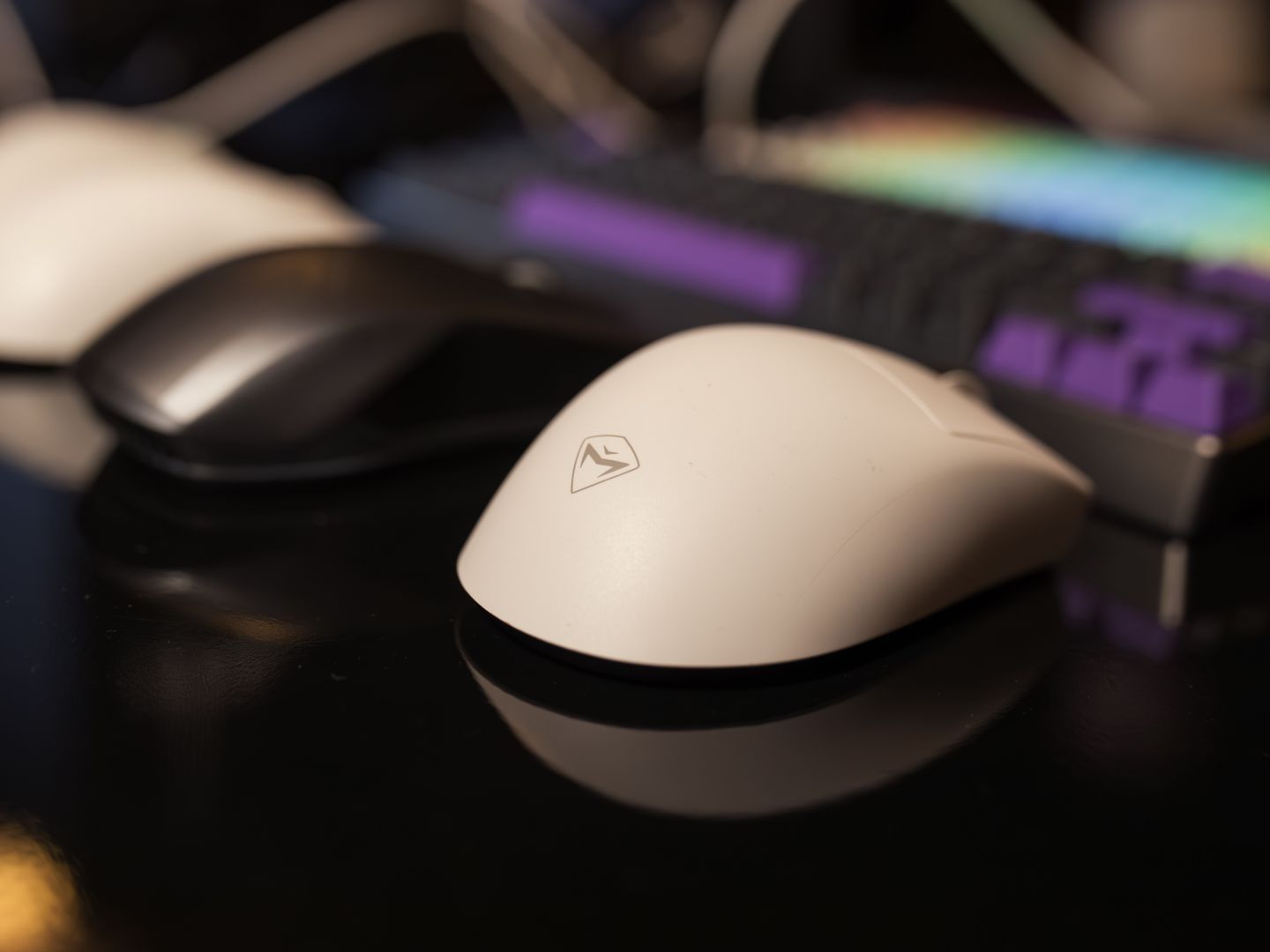
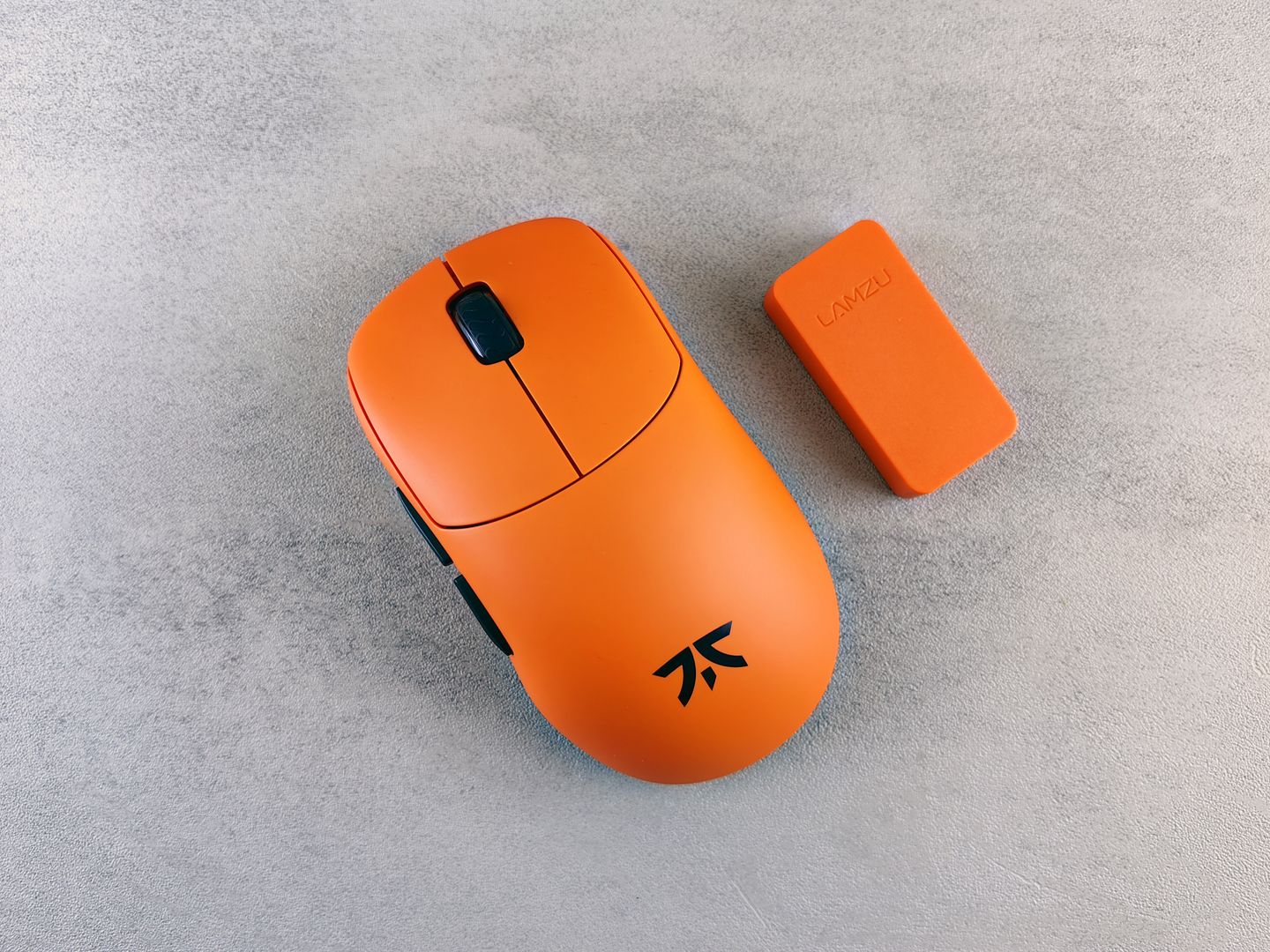
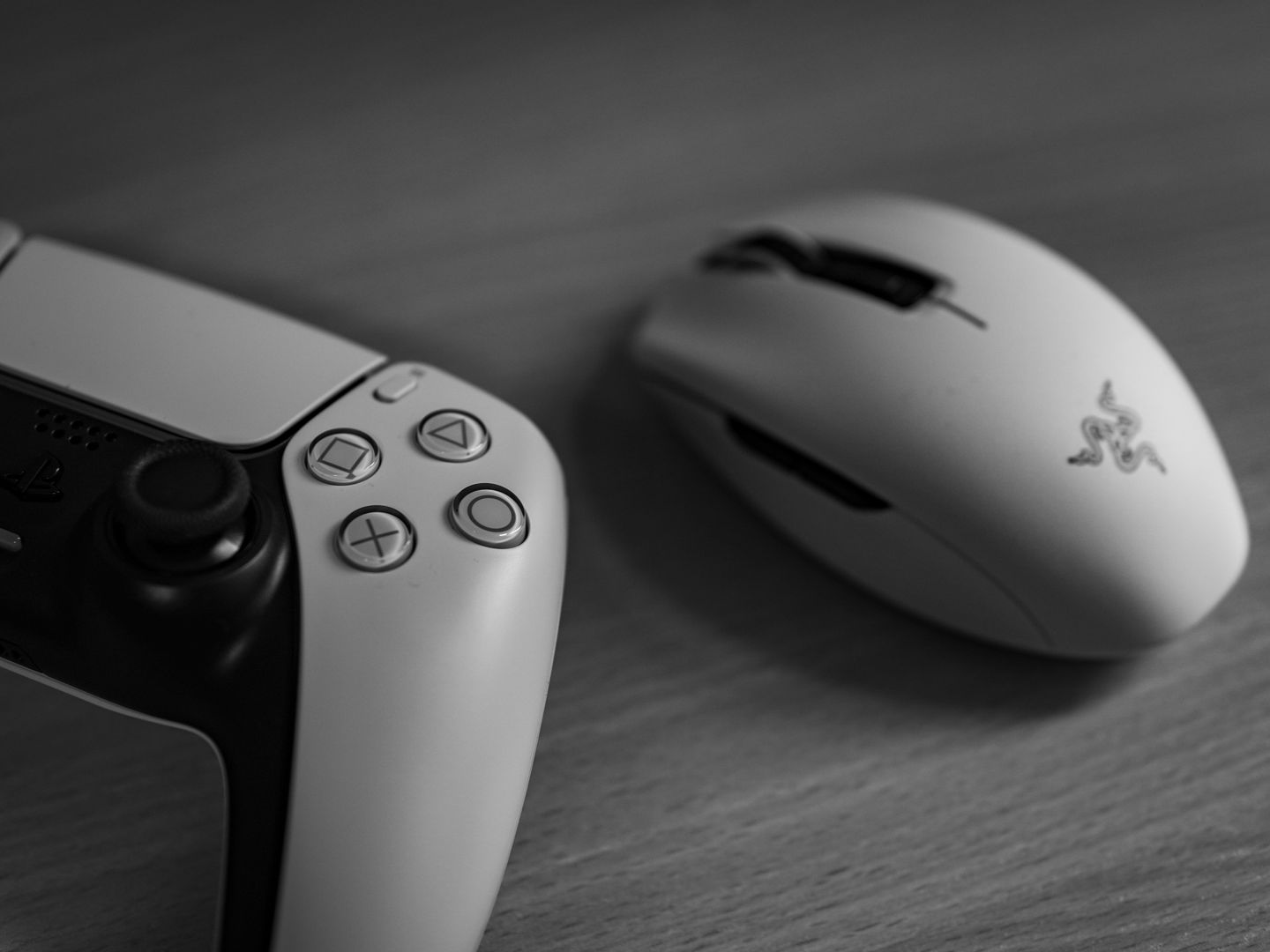
Collection of top gaming mice
Gaming mice lineup showcasing ultralight and ergonomic shapes for competitive play

Comparing the Top Picks

Weight, balance, and shape decide fatigue and stop-control; polling rate is a nice-to-have that can turn into a battery tax.

How to Compare Mice

If you're trying to compare these picks like a table in your head, use the same criteria across all of them. Weight and balance decide fatigue and stop-control. Shape decides whether your aim is repeatable. Polling rate is the nice to have that can turn into a battery tax—8000 Hz can be fun to test, but 1000 Hz is still the sane default for most players. Button count is a genre choice: FPS players want fewer, MMO and creator users want more. And software matters more than people admit: you want settings that stick, profiles that behave, and a DPI step that doesn't randomly change because you brushed a top button mid-fight.

A practical use-case: imagine you're playing Counter-Strike 2 on a high refresh-rate display, then switching to Helldivers 2 or a looter shooter with heavier tracking and more abilities. An ultralight like the Viper V3 Pro or Superlight 2 makes the CS2 side feel effortless—micro-corrections, quick resets, clean flicks. But when you jump to games where you're holding angles less and hitting utility more, something like a DeathAdder V3 Pro can feel steadier in palm, while the G502 X LIGHTSPEED lets you map grenades, push-to-talk, melee, and inventory without becoming a keyboard pianist.

The only time I push back hard is when someone tries to solve aim with specs. A mouse can't fix bad sensitivity choices, a worn-out mousepad, or a monitor that smears motion. If you're also shopping cheap computer monitors for gaming, prioritize a display with a refresh rate that matches your GPU reality, then set your mouse up for consistency: stable DPI, stable in-game sens, and a pad that supports your preferred glide.


Shape and Control Matter Most

Find Your Perfect Mouse

Answer a few questions to discover which gaming mouse best fits your playstyle.

What genre do you play most?
What's your budget range?

All Mice Worth Considering

  • Razer Viper V3 Pro

    Ultra-light competitive esports mouse with 54 g weight, 8000 Hz capability, top-tier sensor for serious FPS play.

  • Logitech G502 X LIGHTSPEED

    Feature-packed with 13 programmable controls, perfect for MMO, ARPG, and creators who need macro layers.

  • Logitech G PRO X Superlight 2

    Clean minimalist wireless with 60 g weight and 95-hour battery, fits mixed genres and mid-range budgets.

  • Logitech G305 LIGHTSPEED

    Budget wireless entry with reliable HERO sensor and 250-hour battery, no-compromise performance at entry pricing.

Setup Moves for Better Feel

  • Pick one DPI you can live with—many competitive players stick to a single value and never change it.
  • Turn off OS-level pointer acceleration so muscle memory actually builds.
  • Choose a polling rate that fits your use—if you're not chasing the last sliver of latency, 1000 Hz balances smoothness and battery.
  • Assign only the buttons you will actually hit under stress—more binds is not the same as better.
  • Give yourself a week on one mouse before you start blaming it—adaptation is real.

Final Call

If you want the sharpest, most modern competitive feel, the Razer Viper V3 Pro earns the top slot on performance and execution. If you want a clean, minimalist wireless mouse that fits almost anyone, the Logitech G PRO X Superlight 2 is the safest runner-up. Everything else is specialization—ergonomic comfort with the DeathAdder V3 Pro, maximum controls with the G502 X LIGHTSPEED, or unbeatable value with the G305. Pick the one that matches your grip and your games, lock your settings, and stop shopping.

Explore More
Disclosure This site may earn a commission from product links at no extra cost to the reader. We only recommend products we've researched and believe offer genuine value.

When you're narrowing the shortlist, keep it simple. If you play mostly tactical FPS and care about raw control, start with the Viper V3 Pro or G PRO X Superlight 2. If your hand wants a right-handed curve and you still want tournament-level performance, the DeathAdder V3 Pro is the safe ergonomic bet. If you play MMOs/ARPGs or you're a creator who wants macro layers, the G502 X LIGHTSPEED is the utility king. If you want wireless on a budget and you don't mind AA power, the G305 is still the no-brainer.

A few setup moves will make any of these feel better in five minutes than they will out of the box. First, pick a DPI you can live with—many competitive players stick to a single value and never change it. Second, turn off OS-level pointer acceleration so muscle memory actually builds. Third, choose a polling rate that fits your use—if you're not chasing the last sliver of latency, 1000 Hz is the best balance of smoothness and battery. Fourth, assign only the buttons you will actually hit under stress; more binds is not the same as better. Fifth, give yourself a week on one mouse before you start blaming it—adaptation is real.


Fatal error: Uncaught ValueError: Unknown format specifier "," in /srv/sites/gamepulse-daily/wp-content/themes/trafium-ai/parts/author_box_extended.php:89 Stack trace: #0 /srv/sites/gamepulse-daily/wp-content/themes/trafium-ai/parts/author_box_extended.php(89): sprintf('flex: 0 0 auto;...', 96) #1 /srv/sites/gamepulse-daily/wp-content/themes/trafium-ai/functions.php(434): include('/srv/sites/game...') #2 /srv/sites/gamepulse-daily/wp-content/themes/trafium-ai/templates/blog-post.php(50): trafium_ai_render_post_block('author_box_exte...', 77, 17) #3 /srv/sites/gamepulse-daily/wp-includes/template-loader.php(106): include('/srv/sites/game...') #4 /srv/sites/gamepulse-daily/wp-blog-header.php(19): require_once('/srv/sites/game...') #5 /srv/sites/gamepulse-daily/index.php(17): require('/srv/sites/game...') #6 {main} thrown in /srv/sites/gamepulse-daily/wp-content/themes/trafium-ai/parts/author_box_extended.php on line 89