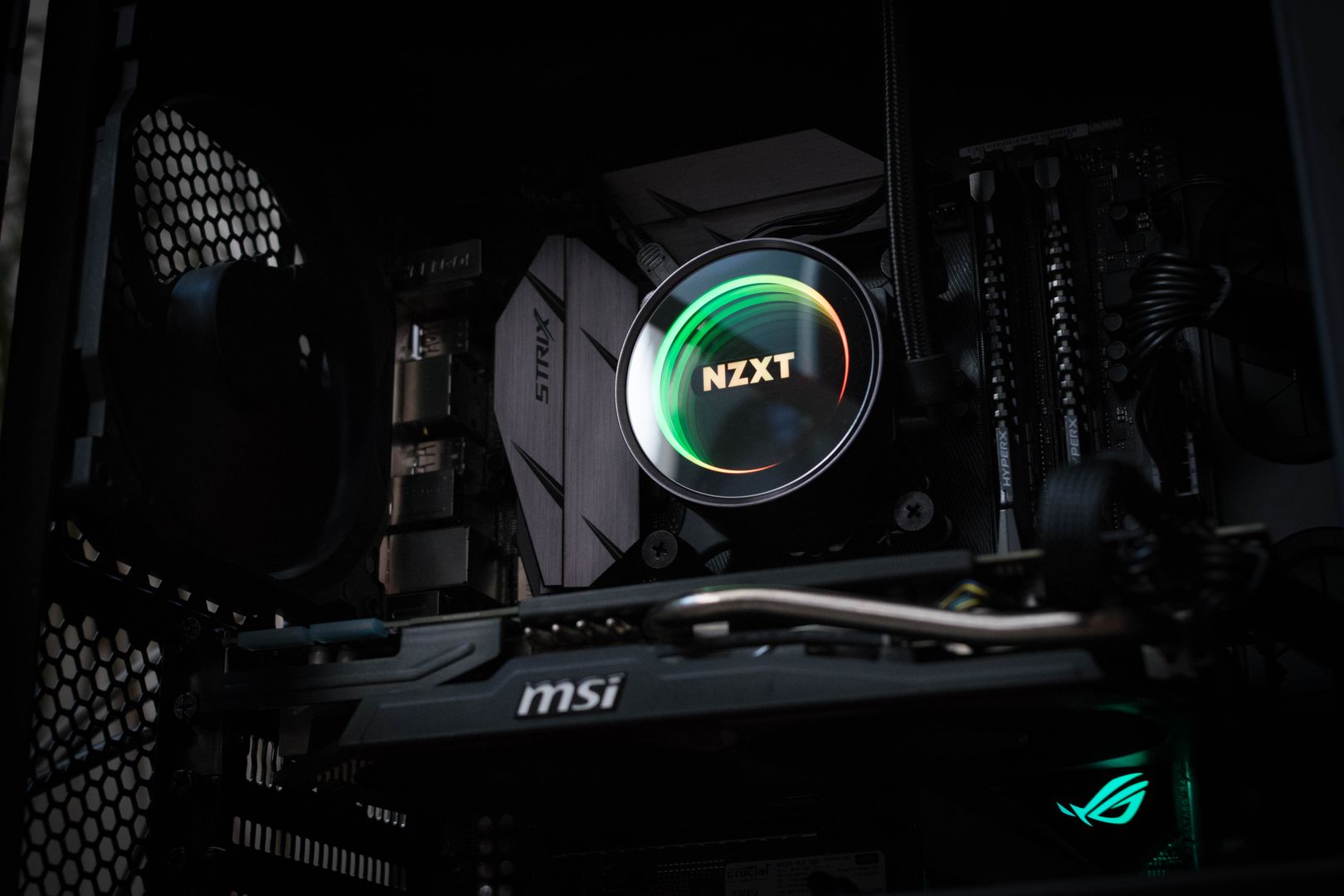
NVIDIA's GeForce RTX 5090 ships with 32GB of GDDR7, and the GeForce RTX 5080 sits at 16GB of GDDR7—high-end cards that are as much about premium positioning as they are about performance. In the midrange, the GeForce RTX 5070 has become a defining reference point, pairing 12GB of GDDR7 with an MSRP that launched at $549.
AMD's cleanest response is the Radeon RX 9070 series in the RX 9000 family: the RX 9070 and RX 9070 XT launched as RDNA 4 parts with 16GB of GDDR6, aiming squarely at players who want to crank textures without turning every new release into a VRAM budget meeting.
The catch is memory economics. GDDR7 is fantastic tech, but in July 2026 the supply-and-cost story has been messy enough that even the refresh cycle gets dragged into it. Reports this month have pegged 3GB GDDR7 memory packages at roughly three times the cost of 2GB packages.
That's the kind of detail that sounds niche until it shows up as either a delayed product cadence or a why is this card suddenly $80 more moment. It influences whether we see quicker Super refreshes, what VRAM amounts partners can afford to ship at scale, and how aggressively board makers can discount older inventory.
For players, the practical read is simple: choose your midrange GPU based on the games you actually play and how you play them. If you live in competitive shooters at 1080p with high refresh rates, you can often prioritize features like frame generation support and driver maturity.
A 12GB class card can still make sense in that scenario. If you're a single-player texture maximalist at 1440p, or you mod heavily, that 16GB tier can age more gracefully—because the first thing that breaks immersion in 2026 isn't average FPS, it's hitching and asset streaming weirdness when memory gets tight.